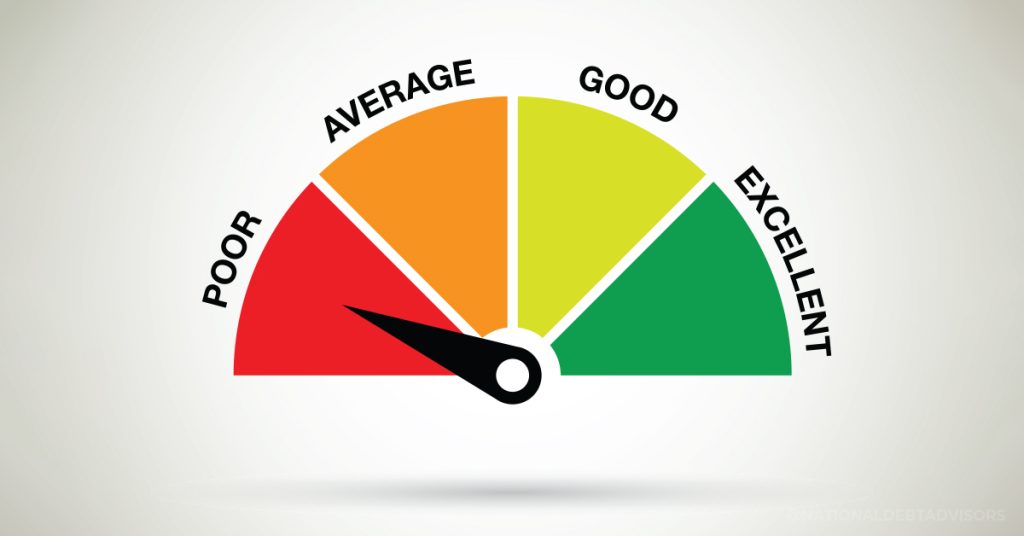
Discover how credit and loans can affect your chances of getting a job. Learn which debts hurt employment opportunities, how credit checks work, and tips to improve your credit profile.
Powerful Guide: How Credit and Loans Can Impact Your Employment Opportunities
Many job seekers focus only on qualifications and experience, but there is another factor that can influence hiring decisions: credit and loans.
In certain industries, employers review credit reports during the hiring process to evaluate financial responsibility and risk. While not every job requires a credit check, positions in finance, banking, government, and management may consider your financial history as part of the screening process.
Understanding how credit and loans can affect your employment prospects is essential for protecting your career opportunities and maintaining financial stability.
This in-depth guide explains:
- Which credit and loans can negatively affect your chances of getting hired
- How employers review credit reports
- The types of debt that raise red flags
- Salary differences in jobs that require credit checks
- Smart strategies to protect your credit profile
- Credit and Loans
Why Employers Look at Credit and Loans
Before offering a job, some employers perform a background check that may include reviewing a credit report.
A credit report is a record of your borrowing history, payment behavior, and financial obligations. Credit bureaus collect this information and provide it to lenders and sometimes employers.
Major credit bureaus include organizations such as Experian and TransUnion, which compile reports showing credit accounts, repayment history, and any defaults.
Employers typically check credit history when hiring for roles involving:
Useful Links:
- Financial responsibility
- Handling money or sensitive financial data
- Management or executive roles
- Government security positions
Employers believe a strong credit history may reflect responsibility, reliability, and risk management skills.
Understanding How Credit Reports Work

Your credit report includes detailed information about:
- Loans you have taken
- Credit card balances
- Payment history
- Defaults or missed payments
- Court judgments
- Credit applications
Credit providers regularly submit this information to credit bureaus, which update your credit profile periodically.
If negative financial activity appears on your report, it may affect how lenders—and sometimes employers—view your financial reliability.
Types of Credit and Loans That Can Affect Your Job Opportunities
Not all credit is harmful. Responsible borrowing can actually improve your credit score. However, certain types of credit and loans can raise concerns.
1. Defaulted Personal Loans
A default occurs when you fail to make loan payments for several months.
Defaulted loans signal that you may struggle with financial obligations.
Why employers may worry
- Indicates financial instability
- Suggests risk when handling company finances
- Appears as negative information on credit reports
- Credit and Loans
2. Excessive Payday Loans
Payday loans are short-term loans with very high interest rates.
While these loans may provide temporary financial relief, frequent payday borrowing may signal financial distress.
Risks for employment checks
- High debt dependence
- Poor financial planning
- Frequent borrowing patterns
3. Overused Credit Cards
Credit cards themselves are not harmful, but high balances relative to your credit limit can damage your credit profile.
Warning signs employers may notice
- Maxed-out credit cards
- Frequent missed payments
- High credit utilization
Financial experts generally recommend keeping credit usage below 30% of the available limit.
4. Retail Store Credit Accounts in Arrears
Retail credit accounts for clothing or electronics are common in many countries.
However, missed payments on these accounts appear on your credit report.
Examples of retail credit include:
- Clothing store accounts
- Furniture store credit
- Mobile phone contracts
Late payments may reduce your credit score and create negative financial history.
5. Debt Collections and Judgments
One of the most serious credit problems is having accounts sent to debt collectors or legal judgment.
These situations occur when creditors take legal action after repeated missed payments.
Negative consequences
- Significant credit score damage
- Legal records attached to your credit profile
- Higher risk perception by employers
- Credit and Loans
Credit and Loans That Are Usually Safe
Not all borrowing harms your reputation. Responsible borrowing may actually improve your credit history.
Examples of healthy credit include:
- Student loans with regular payments
- Car loans paid on time
- Low-balance credit cards
- Mortgage payments
These types of credit show financial discipline and repayment reliability.
Jobs Most Likely to Check Credit Reports
Certain industries are more likely to review financial history during recruitment.
Employment Sectors That Often Use Credit Checks
| Industry | Reason for Credit Check |
|---|---|
| Banking and Finance | Handling financial assets |
| Government Roles | Security clearance requirements |
| Accounting | Managing financial records |
| Insurance | Financial risk evaluation |
| Senior Management | Trust and financial responsibility |
Employers want to ensure that individuals handling sensitive financial information maintain responsible financial habits.
Salary Comparison: Jobs That May Require Credit Checks
| Job Role | Average Salary Range |
|---|---|
| Financial Analyst | R60,000 – R120,000 |
| Accountant | R55,000 – R95,000 |
| Bank Manager | R70,000 – R130,000 |
| Government Security Analyst | R65,000 – R110,000 |
| Insurance Risk Analyst | R60,000 – R100,000 |
Higher-paying positions often involve financial responsibilities, which is why employers may evaluate credit history.
Credit Score Risk Levels
Understanding your credit score range helps determine how lenders and employers may perceive your financial behavior.
| Credit Score Range | Risk Level |
|---|---|
| 750 – 850 | Excellent |
| 700 – 749 | Good |
| 650 – 699 | Fair |
| 600 – 649 | Poor |
| Below 600 | High Risk |
Improving your credit score can significantly increase financial and career opportunities.
Warning Signs Employers Notice in Credit Reports
Employers typically look for patterns rather than isolated mistakes.
Red flags may include:
- Multiple accounts in collections
- Frequent missed payments
- Large unpaid debts
- Recent bankruptcies
- Repeated loan applications
- Credit and Loans
A single late payment rarely disqualifies a candidate, but consistent financial issues may raise concerns.
How to Improve Your Credit Before Applying for Jobs
Improving your credit profile is possible with disciplined financial habits.
Practical Steps to Strengthen Your Credit
Pay Bills on Time
Payment history is one of the biggest factors affecting credit scores.
Even one late payment can impact your credit report.
Reduce Debt Levels
Lowering your total debt improves your credit utilization ratio.
Aim to reduce balances gradually rather than accumulating new debt.
Avoid Too Many Loan Applications
Frequent credit applications may signal financial instability.
Apply only for credit when necessary.
Check Your Credit Report Regularly
Monitoring your credit report helps you detect errors or fraud early.
Platforms such as ClearScore allow users to track their credit score and financial activity.
Regular monitoring helps protect your financial reputation.
Good vs Bad Credit Behavior
| Financial Behavior | Impact on Credit |
|---|---|
| Paying loans on time | Positive |
| Maintaining low credit card balances | Positive |
| Frequent missed payments | Negative |
| Accounts sent to collections | Very Negative |
| Multiple loan applications | Risky |
Consistent responsible financial habits improve both your credit profile and your professional reputation.
Can Bad Credit Automatically Disqualify You From a Job?
Not necessarily.
Many employers do not check credit at all. Even when they do, credit history is usually only one factor among many.
Employers also consider:
- Work experience
- Qualifications
- Professional references
- Interview performance
However, in finance-related jobs, poor credit may raise questions about financial management skills.
How Long Negative Credit Records Stay on Your Report
Negative financial records usually remain on your credit report for several years.
| Negative Record | Typical Duration |
|---|---|
| Late payments | 2 – 5 years |
| Defaults | 3 – 5 years |
| Court judgments | Up to 5 years |
| Debt collections | 3 – 5 years |
Improving your payment behavior can gradually rebuild your credit profile over time.
Final Thoughts
Your credit and loans history can influence more than just your ability to borrow money. In certain industries, it may also affect employment opportunities.
Responsible credit use demonstrates financial discipline, reliability, and stability—qualities employers value in many roles.
By managing loans carefully, paying bills on time, and monitoring your credit report regularly, you can protect both your financial health and your career prospects.
Frequently Asked Questions (FAQs)
Can bad credit stop you from getting a job?
In most cases, no. However, some employers—especially in finance or government roles—may review credit history as part of background checks.
What credit score is considered good for employment checks?
A score above 700 is generally considered strong and indicates responsible credit behavior.
Do all employers check credit reports?
No. Credit checks are usually limited to positions involving financial responsibility or security clearance.
Can unpaid loans appear on employment background checks?
Yes. Defaulted loans, collections, and judgments may appear on credit reports that employers review.
How can I check my credit report for free?
Many services allow individuals to check their credit reports and scores without cost, helping them monitor financial activity and identify potential problems.