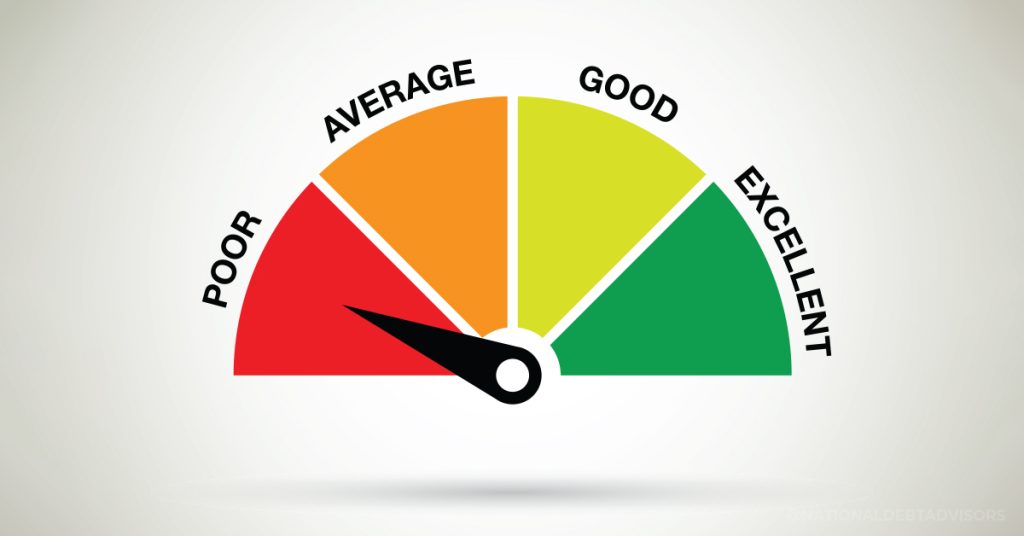
Learn how to get a loan with BAD CREDIT SCORE using proven strategies. Discover loan options, salary factors, approval tips, and ways to rebuild your credit profile for better financial opportunities.
Powerful Guide to Getting Approved for a Loan With BAD CREDIT SCORE
Many people believe that having a BAD CREDIT SCORE automatically prevents them from getting a loan. While it can make borrowing more challenging, it does not make it impossible.
Millions of individuals successfully obtain loans every year even with a BAD CREDIT SCORE, especially when they understand how lenders evaluate risk and what options are available.
Financial institutions consider several factors when reviewing loan applications, including income, employment stability, existing debt, and repayment history. Even if your credit history is not perfect, there are still ways to access financing.
This complete guide explains how to get a loan with BAD CREDIT SCORE, the types of lenders that may approve your application, and practical strategies to improve your chances of approval.
What Is Considered a BAD CREDIT SCORE?
Before learning how to get a loan with BAD CREDIT SCORE, it is important to understand how credit scores work.
Credit scores are numerical ratings used by lenders to measure how reliably someone repays borrowed money. These scores are calculated using information from credit reports maintained by organizations such as Experian and TransUnion.
Your credit score reflects several financial behaviors, including:
- Payment history
- Amount of existing debt
- Length of credit history
- Types of credit used
- Recent credit applications
Credit Score Rating Table
| Credit Score Range | Rating Level |
|---|---|
| 750 – 850 | Excellent |
| 700 – 749 | Good |
| 650 – 699 | Fair |
| 600 – 649 | Poor |
| Below 600 | BAD CREDIT SCORE |
Individuals with scores below 650 often face stricter loan requirements.
Useful Links:
However, lenders do not rely solely on credit scores when evaluating applications.
Why Lenders Are Careful With BAD CREDIT SCORE Applicants
Banks and financial institutions aim to minimize risk. A BAD CREDIT SCORE may indicate potential repayment difficulties.
Common reasons for low credit scores include:
- Missed loan payments
- High credit card balances
- Defaulted loans
- Frequent credit applications
- Accounts sent to debt collection
When lenders see these issues, they may charge higher interest rates or request additional guarantees.
Understanding these concerns can help borrowers prepare stronger loan applications.
Types of Loans You Can Still Get With BAD CREDIT SCORE
Although traditional banks may reject applications from borrowers with poor credit, several loan options remain available.
1. Secured Loans
A secured loan requires collateral such as:
- A vehicle
- Property
- Savings account
- Valuable assets
Because the lender can recover the asset if the borrower fails to repay, secured loans often have higher approval rates.
Benefits of Secured Loans
- Higher approval chances
- Lower interest rates compared to unsecured loans
- Access to larger borrowing amounts
2. Personal Loans From Alternative Lenders
Some lenders specialize in helping individuals with BAD CREDIT SCORE.
Instead of focusing only on credit history, these lenders may evaluate:
- Current employment
- Monthly income
- Debt-to-income ratio
While approval is possible, interest rates may be higher due to increased risk.
3. Credit Builder Loans
Credit builder loans are designed specifically to help individuals improve their credit profiles.
Borrowers make regular monthly payments, and these payments are reported to credit bureaus.
Over time, this positive payment history can raise the credit score.
4. Peer-to-Peer Lending Platforms
Peer-to-peer lending platforms connect borrowers directly with individual investors.
These platforms sometimes use alternative evaluation methods, which may benefit applicants with BAD CREDIT SCORE.

Step-by-Step Guide: How to Get a Loan With BAD CREDIT SCORE
Step 1: Check Your Credit Report
Before applying for any loan, review your credit report carefully.
Checking your report helps you:
- Identify mistakes
- Dispute incorrect information
- Understand your financial situation
Correcting errors may improve your credit score quickly.
Step 2: Reduce Existing Debt
Lower debt levels improve your financial profile and increase approval chances.
Focus on paying down:
- Credit card balances
- Small outstanding loans
- Accounts in arrears
Reducing debt also improves your debt-to-income ratio.
Step 3: Show Proof of Stable Income
Income stability is one of the most important factors lenders consider.
Documents that may support your application include:
- Payslips
- Bank statements
- Employment contracts
- Tax records
Reliable income demonstrates your ability to repay the loan.
Step 4: Apply for Smaller Loan Amounts
Borrowing smaller amounts reduces risk for lenders.
Starting with a smaller loan can help build repayment history and improve your credit profile.
Step 5: Consider a Co-Signer
A co-signer with a good credit history can significantly increase your chances of approval.
The co-signer agrees to repay the loan if the borrower fails to make payments, which lowers risk for lenders.
Salary and Loan Eligibility Comparison
Lenders often assess income to determine repayment ability.
Average Monthly Salary by Occupation
| Job Role | Average Monthly Salary |
|---|---|
| Retail Sales Assistant | R6,000 – R10,000 |
| Administrative Assistant | R9,000 – R15,000 |
| Technician | R12,000 – R22,000 |
| Accountant | R20,000 – R35,000 |
| Operations Manager | R35,000 – R60,000 |
Higher income levels generally improve loan approval chances, even for individuals with BAD CREDIT SCORE.
Loan Options Comparison for BAD CREDIT SCORE Borrowers
| Loan Type | Approval Difficulty | Interest Level | Best For |
|---|---|---|---|
| Secured Loans | Low | Moderate | Borrowers with assets |
| Alternative Personal Loans | Moderate | High | Individuals with stable income |
| Credit Builder Loans | Easy | Low | Improving credit score |
| Peer-to-Peer Loans | Moderate | Variable | Flexible approval criteria |
Choosing the right loan type can make the difference between approval and rejection.
Common Mistakes to Avoid When Borrowing With BAD CREDIT SCORE
Many applicants make errors that reduce their chances of approval.
Applying for Too Many Loans
Multiple credit applications within a short period can reduce your credit score even further.
Ignoring Interest Rates
Some lenders charge extremely high interest rates for high-risk borrowers.
Always review loan terms carefully before accepting an offer.
Falling for Loan Scams
Fraudulent lenders often target individuals with BAD CREDIT SCORE.
Warning signs include:
- Requests for upfront payment
- Lack of clear loan terms
- Unverified financial institutions
Always verify the credibility of lenders before sharing personal information.
How to Improve Your BAD CREDIT SCORE Over Time
Even if you currently have a BAD CREDIT SCORE, it is possible to rebuild your credit profile.
Effective Strategies
Pay Bills on Time
Payment history is one of the most important factors influencing credit scores.
Even a single late payment can negatively affect your credit report.
Reduce Credit Card Balances
Keeping credit card balances below thirty percent of the available limit improves credit utilization.
Avoid Unnecessary Credit Applications
Too many credit inquiries may signal financial instability.
Apply for credit only when necessary.
Monitor Your Credit Regularly
Checking your credit report helps detect errors, identity theft, or incorrect information.
Monitoring allows you to correct problems before they affect loan applications.
Benefits of Improving Your Credit Score
Improving your credit profile provides several long-term advantages.
Financial Benefits
- Lower interest rates
- Higher loan approval chances
- Access to larger credit limits
- Better financial stability
These benefits make credit management an essential part of financial planning.
Comparison: Good vs BAD CREDIT SCORE Financial Habits
| Financial Behavior | Impact on Credit |
|---|---|
| Paying loans on time | Positive |
| Maintaining low credit card balances | Positive |
| Missing payments frequently | Negative |
| Multiple unpaid debts | Very negative |
| Responsible borrowing | Strong positive |
Consistent financial discipline can gradually transform a BAD CREDIT SCORE into a healthier credit profile.
Final Thoughts
Having a BAD CREDIT SCORE can make borrowing more difficult, but it does not mean financial opportunities are permanently out of reach.
By understanding how lenders evaluate risk, exploring alternative loan options, and demonstrating stable income, many borrowers successfully secure financing even with poor credit.
Taking steps to improve your credit history—such as paying bills on time, reducing debt, and monitoring your credit report—can gradually strengthen your financial reputation and expand future borrowing opportunities.
Frequently Asked Questions (FAQs)
Can I get a loan with BAD CREDIT SCORE?
Yes. Many lenders offer loan options specifically designed for individuals with low credit scores, although interest rates may be higher.
What is considered a BAD CREDIT SCORE?
Most lenders consider scores below 650 to be poor or high risk.
Do secured loans help with BAD CREDIT SCORE?
Yes. Because secured loans require collateral, they usually have higher approval rates for borrowers with poor credit.
How long does it take to improve a BAD CREDIT SCORE?
Improving credit scores typically takes six to twelve months of consistent positive financial behavior.
Will applying for multiple loans affect my credit score?
Yes. Multiple credit inquiries within a short time can reduce your credit score and signal financial risk to lenders.