AGRI Learnership Programme 2026 offers unemployed South Africans a 12-month agricultural training opportunity with a stipend of up to R5600 per month. Learn eligibility requirements, salary prospects, and how to apply.
Powerful Opportunity for Youth: Join the SETACO Learnership Programme 2026
The AGRI Learnership Programme 2026 is becoming one of the most exciting opportunities for unemployed South Africans who want to start a career in agriculture and farming. With a monthly stipend of up to R5600, this programme offers a practical pathway to gain valuable skills while earning an allowance.
Learnership programmes in South Africa play a critical role in developing skilled workers and reducing youth unemployment. The AGRI Learnership Programme 2026 focuses on agricultural training, preparing participants for real jobs in farming, agribusiness, and food production.
For many young people, this programme represents more than just short-term training. It provides practical experience, industry exposure, and nationally recognised skills that can lead to long-term employment in one of South Africa’s most essential industries.
This complete guide explains everything you need to know about the programme, including eligibility requirements, stipend details, training structure, career opportunities, and how to apply.
Why the AGRI Learnership Programme 2026Is Important
Addressing Youth Unemployment in South Africa
Youth unemployment remains one of the biggest challenges in South Africa. Many young people struggle to find work because they lack both experience and formal skills.
The AGRI Learnership Programme 2026 helps address this problem by combining:
- Classroom-based education
- Workplace training
- Practical farming experience
- Monthly financial support
Participants gain real work experience that employers value, which significantly improves their chances of finding employment after completing the programme.
Supporting the Agricultural Sector
Agriculture remains one of the most important industries in South Africa. It contributes to:
Useful Links:
- Food security
- Rural development
- Job creation
- Economic growth
However, the sector needs more trained workers with modern farming skills. Programmes like the AGRI Learnership Programme 2026 help develop the next generation of agricultural professionals.
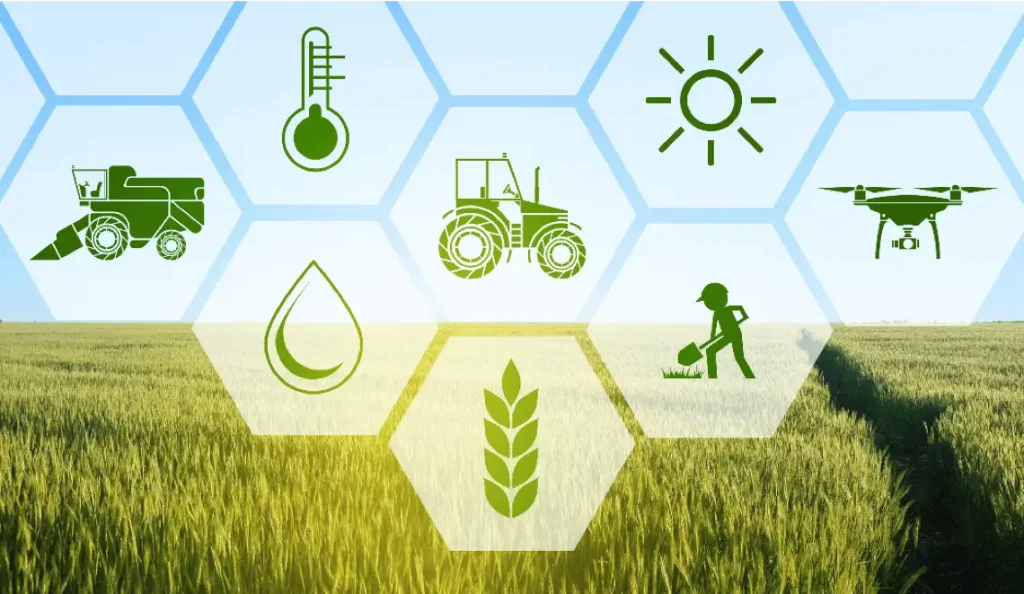
Overview of the AGRI Learnership Programme 2026
The AGRI Learnership Programme 2026 is a structured training programme designed to help unemployed youth gain skills in agriculture and farming.
Participants receive training in both theoretical knowledge and practical farming activities.
Programme Overview
| Programme Details | Information |
|---|---|
| Learnership Name | AGRI Learnership Programme 2026 |
| Sector | Agriculture and Farming |
| Duration | 12 Months |
| Monthly Stipend | Up to R5600 |
| Eligibility Age | 18– Years and above |
| Education Level | Grade 9 – Grade 12 |
| Employment Status | Unemployed South Africans |
The programme provides participants with a strong foundation in agricultural skills and workplace readiness.
Fields of Training in the AGRI Learnership Programme 2026
Agriculture involves a wide range of activities and technical skills. Learners in the programme receive training in several areas of farming and agricultural management.
Crop Production Training
Participants may learn:
- Soil preparation and cultivation techniques
- Planting methods and crop management
- Fertilizer application
- Pest and disease control
These skills are essential for successful crop production and sustainable farming.
Farm Equipment and Operations
Learners are introduced to the tools and equipment used in modern farming.
Training may include:
- Safe use of agricultural tools
- Basic machinery operation
- Farm maintenance practices
- Equipment safety procedures
These practical skills are highly valued by farm owners and agricultural companies.
Sustainable Farming Practices
Modern agriculture emphasizes sustainability and environmental responsibility.
Participants may also learn about:
- Water conservation and irrigation
- Soil health management
- Environmental protection practices
- Climate-smart agriculture
These skills help farmers improve productivity while protecting natural resources.
Monthly Stipend and Financial Support
One of the biggest benefits of the AGRI Learnership Programme 2026 is the financial support provided to learners.
Participants can receive a stipend of up to R5600 per month, which helps cover essential expenses such as:
- Transportation
- Food
- Basic living costs
Learnership Stipend Comparison
| Programme Type | Monthly Stipend | Duration |
|---|---|---|
| AGRI Learnership Programme 2026 | Up to R5600 | 12 Months |
| Typical Agricultural Learnership | R3000 – R4500 | 12 Months |
| Internship Programmes | R2500 – R4000 | 6–12 Months |
This makes the AGRI Learnership Programme 2026 one of the better-paying agricultural learnerships available to youth.
Important note:
A learnership stipend is not a full salary. It is a training allowance meant to support learners during the programme.
Eligibility Requirements for the AGRI Learnership Programme 2026
To apply for the programme, candidates must meet certain criteria.
Basic Eligibility Requirements
Applicants must:
- Be a South African citizen
- 18 years and above
- Be currently unemployed
- Have completed Grade 9, Grade 10, or Grade 12 depending on the NQF level
- Have a genuine interest in farming or agriculture
- Be able to commit to the full 12-month programme
Meeting these requirements ensures applicants are prepared for the training environment.
Who Should Apply for the AGRI Learnership Programme 2026
The programme is ideal for individuals who:
- Want to build a career in agriculture
- Prefer practical and hands-on learning
- Live in rural or farming communities
- Want to gain skills without attending university
Many successful farmers, agricultural technicians, and agribusiness professionals started their careers through similar training programmes.
Career Opportunities After Completing the Programme
Completing the AGRI Learnership Programme 2026 can open doors to various agricultural career opportunities.
Entry-Level Job Roles
Graduates may pursue roles such as:
- Farm worker
- Crop production assistant
- Agricultural technician assistant
- Irrigation assistant
- Farm equipment operator
These positions provide valuable experience for further career growth.
Agriculture Salary Overview in South Africa
| Job Role | Average Monthly Salary |
|---|---|
| Farm Worker | R5000 – R9000 |
| Agricultural Technician | R10,000 – R18,000 |
| Farm Supervisor | R15,000 – R25,000 |
| Agricultural Manager | R25,000 – R45,000 |
With experience and additional training, individuals can advance into higher-paying roles in the agricultural industry.
Learnership vs Internship: Key Differences
Understanding the difference between these programmes helps applicants make informed decisions.
| Feature | Learnership | Internship |
|---|---|---|
| Focus | Skills Training | Work Experience |
| Qualification | National Certificate | Work Exposure |
| Duration | 12 Months | 3–12 Months |
| Stipend | Usually Higher | Often Lower |
The AGRI Learnership Programme 2026 is particularly valuable because it offers both training and formal certification.
How to Apply for the AGRI Learnership Programme 2026
Step-by-Step Application Guide
Step 1: Check Official Programme Announcements
Applications are typically advertised through:
- Training institutions
- Skills development organisations
- Government job portals
Step 2: Prepare Required Documents
Applicants usually need to submit:
- Certified copy of South African ID
- Updated CV
- School certificates (Grade 9–12)
- Proof of residence
Ensure all documents are certified within the required timeframe.
Step 3: Submit Your Application
Applications may be submitted through:
- Official online portals
- Email submission
- Accredited training providers
- APPLY HERE
Always ensure you are applying through a legitimate and verified platform.
Tips for a Successful Learnership Application
To improve your chances of being selected:
- Apply as early as possible
- Ensure your CV is clear and updated
- Demonstrate interest in agriculture or farming
- Follow all instructions in the application form
Applicants should also remain cautious of fraudulent learnership advertisements.
Important Safety Notice
All legitimate learnership programmes are free to apply for.
If someone asks you to pay money to secure placement in the AGRI Learnership Programme 2026, it is likely a scam.
Always verify opportunities through official sources.
Why Agriculture Is a Smart Career Choice in 2026
Agriculture continues to play a critical role in South Africa’s economy.
Opportunities exist in areas such as:
- Crop production
- Livestock farming
- Agribusiness management
- Agricultural technology
With increasing demand for skilled agricultural workers, training programmes like the AGRI Learnership Programme 2026 provide an excellent entry point into the industry.
Final Thoughts
The AGRI Learnership Programme 2026 is a valuable opportunity for unemployed South Africans who want to gain practical skills while earning a monthly stipend.
With structured training, workplace experience, and exposure to modern farming practices, participants gain the knowledge needed to succeed in the agricultural sector.
For individuals passionate about farming and rural development, this programme can become the first step toward a long-term and rewarding career.
Frequently Asked Questions (FAQs)
1. What is the SETACO Learnership Programme 2026?
The AGRI Learnership Programme 2026 is a training programme that provides unemployed South Africans with agricultural skills, practical experience, and a monthly stipend.
2. How much is the stipend for the programme?
Participants may receive up to R5600 per month during the training period.
3. Who can apply for the learnership?
Applicants must be:
- South African citizens
- 18 years and above
- Currently unemployed
- Have completed Grade 9, 10, or 12
4. How long does the programme last?
The programme typically runs for 12 months.
5. Do learners receive a certificate after completing the programme?
Yes. Successful learners receive recognized training certification upon completion.
6. Can the programme lead to employment?
While employment is not guaranteed, the skills gained significantly improve job prospects in agriculture.